Footwear for sensitive feet: what features to look for before buying
Choosing footwear for sensitive feet involves looking beyond size. We explain how to assess the fit, materials, support and other details before buying.
When your feet are particularly sensitive, choosing a shoe may require more attention than usual. A seam that rubs, a fit that is too narrow or insufficient support can make an apparently comfortable style less suitable for everyday wear. That is why, before buying footwear for delicate feet, it is worth checking several aspects: the interior space, flexibility, materials, how easy the shoe is to adjust and the type of sole. This guide brings together practical criteria for comparing styles with greater confidence, without replacing a professional assessment if there is a specific foot condition.
1. Start with a fit that leaves enough room
The shoe should not compress the toes or force the foot into an uncomfortable position. Make sure the front allows you to move your toes slightly and that the width fits your foot without pressing against the sides.
It is also important for the heel to stay secure without slipping. Too much room can cause rubbing, but a fit that is too tight is usually uncomfortable, especially after several hours of wear. If you shop online, check the size guide and the recommendations for each style.
- Look for a toe box with room for your toes.
- Avoid choosing a smaller size in the hope that the footwear will stretch.
- Check the width and overall shape of the fit, not just the length.
2. Choose soft materials and a carefully designed interior
Flexible materials may adapt better to the movement of the foot than rigid finishes. On the product page, check which materials make up the exterior and interior, and look at the photographs to identify seams, reinforcements or joins that could sit in contact areas.
Lycra shoes may be an interesting option when looking for a flexible, adaptable material, provided the style offers adequate support. Material softness should not be the only criterion: fit and stability when walking also matter.
- Prioritize interiors without rough or bulky elements.
- Check the position of seams and reinforcements.
- Consider flexible materials when you need greater adaptability.
3. Choose support that you can adjust
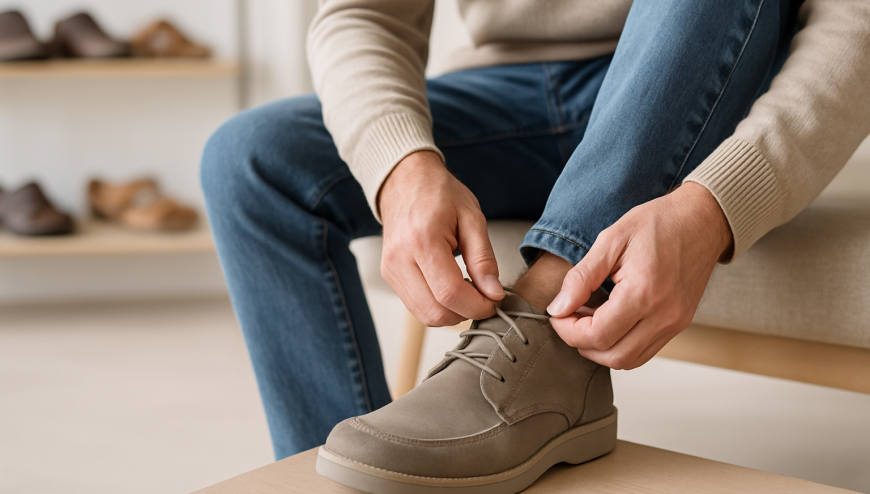
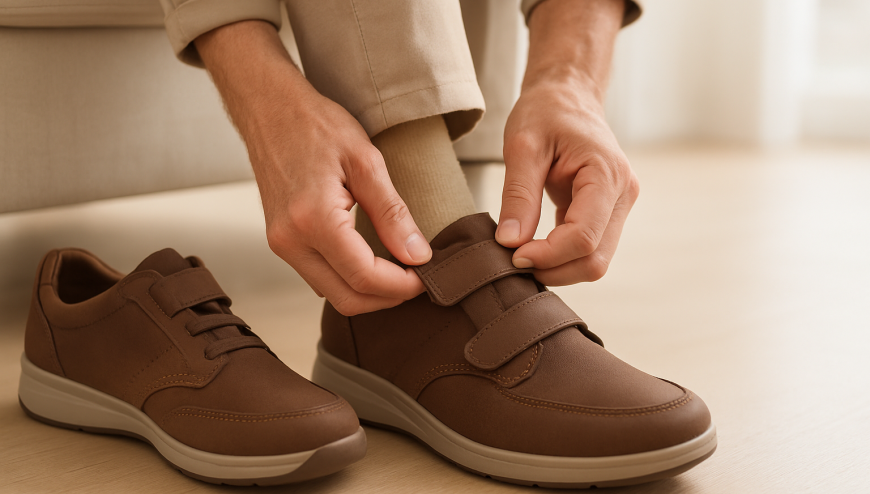
Being able to adjust your footwear helps achieve more personalized support. Velcro fastenings are practical for regulating pressure and making the shoes easier to put on, while laces allow you to adapt the fit at different points across the instep.
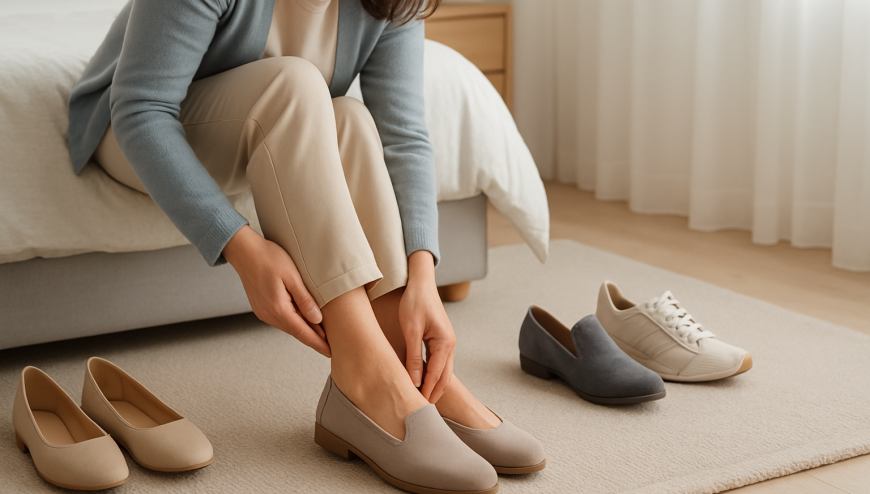
Loafers can be comfortable because they are easy to put on, but it is worth checking that they are not loose at the heel. In any case, the footwear should stay in place without needing to be tightened too much.
- Consider Velcro shoes if you need to adjust the fastening easily.
- Use laces to adapt the fit across the instep.
- Check that your heel does not lift excessively when walking.
4. Check the insole and interior space
A removable insole can be useful if you need to use your own insole or want to replace it with another compatible one. In the footwear categories for insoles, you can find models designed to offer more interior space, although you should always confirm the specific features of the item.
Before buying, check whether the insole can be removed, how much space is left inside the shoe, and whether the closure allows the foot to fit without compressing it. If you use an insole recommended by a professional, it is advisable to check the model’s compatibility or consult them before placing your order.
- Look for information about removable or compatible insoles.
- Make sure there is enough interior volume.
- Do not assume that all models accommodate every type of insole.
5. Consider the sole, weight, and flexibility
A sole that is too rigid can make walking feel less natural, while an excessively soft or unstable sole is not necessarily the most comfortable option either. Look for a balance between flexibility, lightness, and a base that provides security when walking.
The sole should also match the intended use. For walking for many hours, the weight of the footwear and how easily the forefoot flexes can make an important difference. Check the images and product description to learn about its construction.
- Consider a reasonable weight for everyday use.
- Check that the sole flexes naturally.
- Look for a stable base suitable for the surfaces you normally walk on.
6. How to try on footwear before deciding to keep it
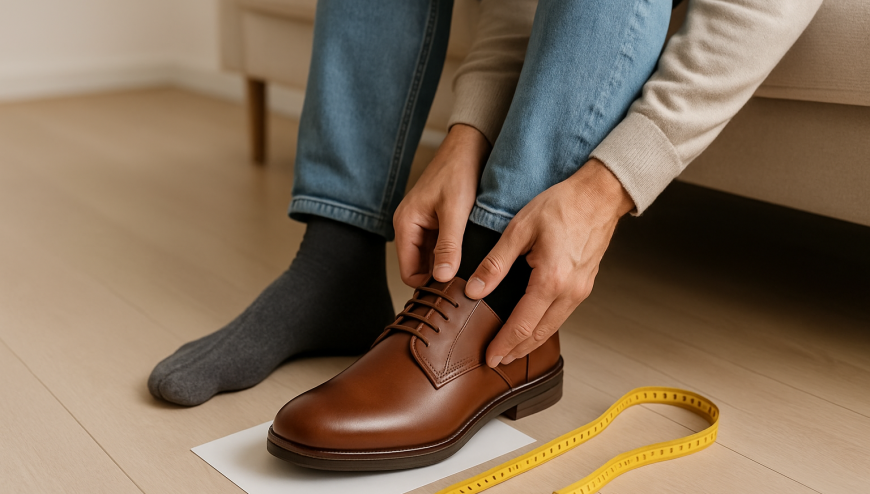
Try on both shoes at the end of the day, when your feet may be slightly more swollen. Do so with the socks or tights you will normally wear, and walk for a few minutes on a clean surface to check the fit.
Pay attention to any pressure, rubbing, or excessive movement from the outset. The footwear should feel comfortable from the initial fitting; you should not rely on significant discomfort disappearing with use. Check the exchange or return conditions before buying online.
- Try both feet, as they may not be exactly the same size.
- Walk and flex your foot to check the actual fit.
- Check the return conditions before removing tags or protectors.
Conclusion
Footwear for sensitive feet should be chosen with overall fit in mind: a roomy last, comfortable materials, adjustable fastening, a suitable insole and a stable sole. Categories such as Velcro shoes, lycra shoes or footwear for orthotic insoles can help narrow your search, but each model should be reviewed individually. If you experience persistent pain, an injury or a specific need, consult a healthcare professional for personalised guidance. For everyday purchases, comparing measurements, materials and adjustment options will help you find a more comfortable shoe that is better suited to the way you walk.