

How to Choose a Good Autumn Shoe: Comfort, Materials and Sole Type
Choosing a good autumn shoe isn’t just about design. We explain what to check in the materials, fit and sole to find a comfortable model that suits your everyday life.
With the arrival of fall, we look for footwear that offers more protection for our feet, pairs well with different outfits, and remains comfortable throughout the day. The right choice does not depend solely on the shoe’s appearance: it is also worth considering the materials, shape, type of closure, and sole. In this guide, you’ll find some practical criteria for choosing fall shoes based on your needs and how you plan to use them.
Think first about how you’ll use them
Before choosing a style, consider when and where you’ll wear it. Looking for a shoe to walk around the city every day is not the same as choosing a design for the office, a special occasion, or days when you need to put it on and take it off easily.
For everyday wear, lace-up shoes, loafers, and some sport styles can offer a good balance of support and comfort. If you prefer an easy adjustment, a hook-and-loop shoe can be a practical alternative. You might also consider an ankle boot when you want more coverage on cooler days.
- Everyday wear: prioritize comfort, stability, and an easy-to-adjust fit.
- Office or dressy occasions: look for a comfortable last and a design you can wear for several hours.
- Urban walks: pay particular attention to flexibility and sole traction.
- Long days on your feet: choose a style that supports your foot well without compressing your toes.
Check the shoe’s materials
The material affects how the shoe feels when you put it on, as well as its flexibility and care requirements. Leather may offer good adaptability over time, while other materials may be lightweight or easy to clean. The important thing is to assess the style as a whole and make sure the finish is suitable for its intended use.
In fall, it is also helpful to pay attention to the interior. A comfortable lining and well-finished seams can improve overall comfort. If you use insoles, check that the design allows you to remove or replace them when necessary, always according to the style’s specifications.
- Make sure the material is flexible where your foot bends.
- Inspect the interior and seams to avoid unnecessary rubbing.
- Consider the care required for each finish.
- If you need insoles, confirm that the style is compatible before purchasing it.
Choose a sole with a good balance of flexibility and traction
The sole is one of the most important parts of fall footwear. A sole that is too rigid can feel uncomfortable when walking, while one that is excessively thin may offer less protection from the cold or uneven ground.
Look for a base that follows the foot’s natural movement and has a tread pattern suitable for walking safely on everyday surfaces. The thickness, weight, and flexibility should be appropriate for the type of shoe: a loafer, a sport shoe, and an ankle boot do not necessarily have to feel the same when you walk.
- Slightly bend the front of the shoe to check whether it flexes with your stride.
- Look at the sole’s tread pattern and its grip.
- Avoid choosing based solely on thickness: a heavy sole is not always more comfortable.
- Check that the connection between the sole and the shoe upper is well finished.
Make sure the size and last are suitable
Good-quality material and a suitable sole cannot make up for the wrong size. When trying on footwear, there should be enough room in front of your toes, without your foot sliding forward or your heel lifting too much. It is also important to check that the widest part of your foot is not compressed.
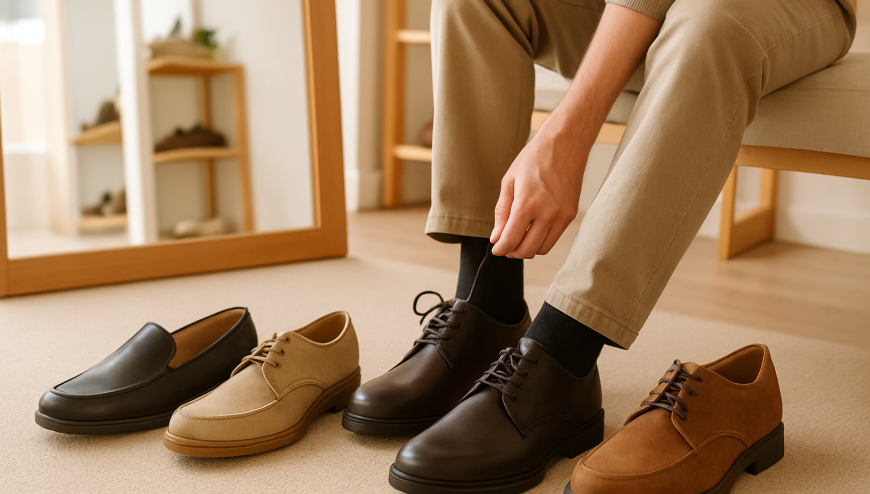
Try on the shoes with the type of socks you normally plan to wear. If you shop online, check the available sizing information and review the exchange or return conditions before completing your order.
- Try on both shoes, as your feet may not be exactly the same shape.
- Walk for a few minutes to check the support and comfort.
- Check that your toes can move without pressure.
- Do not choose a larger size to compensate for a narrow last: look for another model or a more suitable shape.
Choose the design according to your style and needs
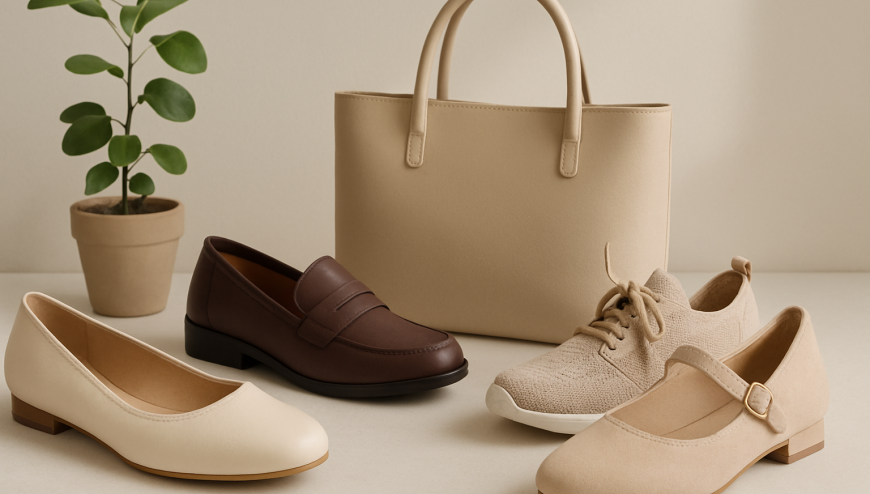
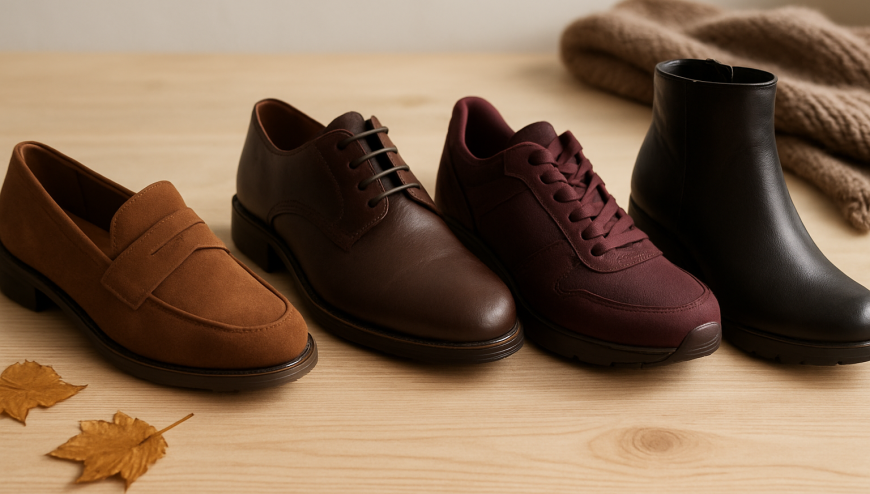
Autumn footwear can suit many different styles. Loafers and lace-up shoes pair easily with transitional clothing and office wear. Sporty models can be a versatile option for casual looks, while ankle boots provide more coverage when temperatures drop.
As well as the colour and shape, consider the fastening. Laces allow you to adjust the footwear more precisely, Velcro makes it easier to put on, and slip-on designs are quick, although they must hold the foot securely. The best choice will be the one that combines the style you are looking for with the comfort you need during real-world wear.
- Loafers: a practical option for casual or office outfits.
- Lace-up shoes: allow you to adjust the fit precisely.
- Sporty shoes: suitable if you are looking for a relaxed and versatile style.
- Ankle boots: provide more coverage for cooler days.
- Velcro shoes: make putting them on and adjusting the fit easier.
Conclusion
Choosing a good autumn shoe requires looking beyond the design. Consider how you plan to use it, the quality and flexibility of the materials, the sole’s grip, and how it fits your foot. If you also check the size carefully and choose a model suited to your routines, it will be easier to find comfortable and versatile footwear for the season.