

How to Choose Comfortable Shoes for Walking All Day Without Ending Up with Sore Feet
Choosing comfortable footwear for walking for hours depends on much more than appearance. We explain how to check the fit, sole, support, and materials before buying.
Walking for many hours requires footwear that supports every step. A shoe may look attractive, but if it feels tight, moves around too much, or does not provide a suitable sole, the day may end with foot discomfort. To make a better choice, it is worth considering several aspects before deciding: the shoe shape, the space inside, the support, and how it will be used. In this guide, you will find practical criteria for choosing comfortable footwear for walking all day.
Start by choosing the right size and shape
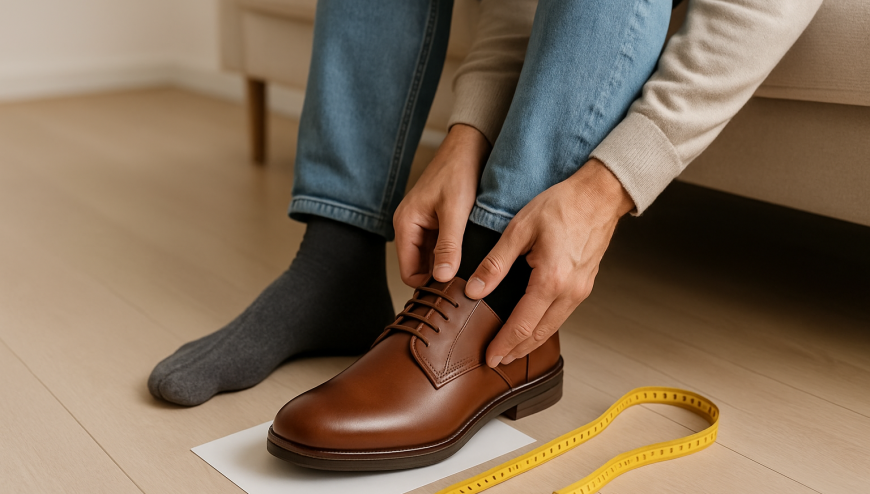
Comfort begins with the right fit. The foot should be supported without feeling compressed at the sides or across the top. The toes need enough room to move and should not touch the toe box when walking.
Try on the shoes with the type of socks you usually wear. Whenever possible, do so at the end of the day, when your feet may be slightly more swollen. Walk for a few minutes and check that your heel does not slip out and that no pressure points appear.
- Leave a small amount of room in front of the toes, without letting the foot slide forwards.
- Make sure both feet feel comfortable, as they may not be exactly the same length or width.
- Do not rely solely on the size: the shoe last and design also affect the fit.
Look for a flexible, stable sole with good grip
For walking for hours, the sole should allow natural foot movement and provide a stable stride. An excessively rigid sole may feel uncomfortable on certain routes, while one that is too soft may create a feeling of poor stability.
It is also important to consider the sole tread and the type of surface on which the footwear will be used. For everyday wear, good grip helps you walk with greater confidence indoors and outdoors.
- Gently flex the sole to check that it follows your movement without bending uncontrollably.
- Look for a stable base that is proportionate to the shoe’s design.
- Consider whether you will mainly walk in the city, on smooth surfaces, or along varied routes.
Choose materials that make for comfortable wear
Materials affect how comfortable footwear feels, especially when it is worn for many hours. A soft interior can help prevent rubbing, while materials with some ability to adapt may adjust better to the movement of the foot.
The choice also depends on the time of year. On warm days, it is best to prioritise lightweight, breathable designs. For colder months or days with changing temperatures, materials offering greater protection may be more appropriate.
- Check the interior finish and look for seams that do not cause discomfort when walking.
- Select materials and linings suited to the season and intended use.
- If you use insoles, check that the model is compatible and maintains a comfortable fit.
Secure your foot properly with the right fastening
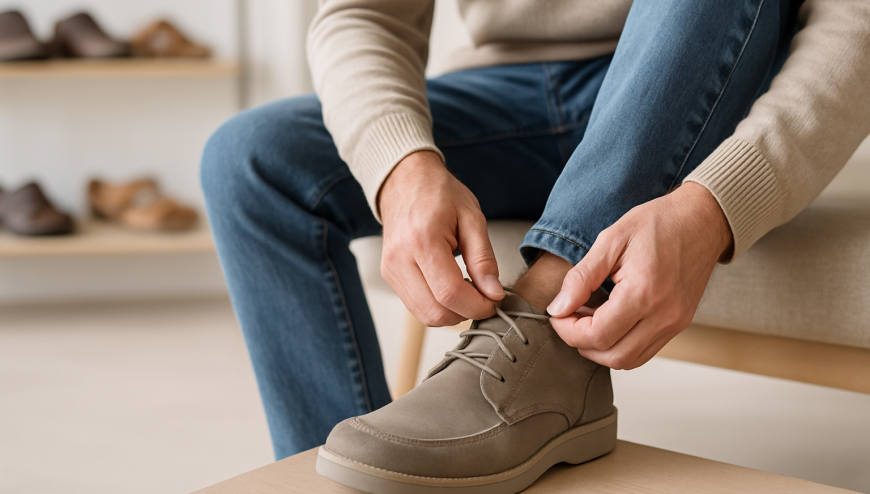
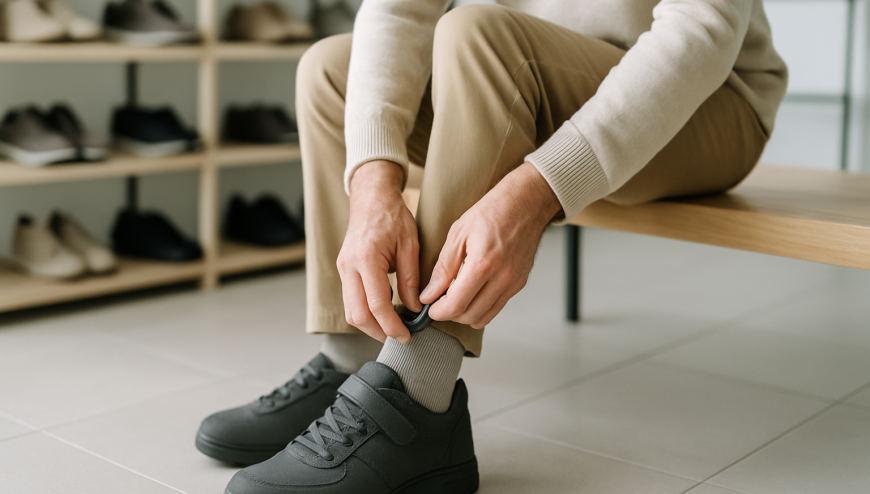
A good fastening system prevents your foot from shifting inside the shoe and allows you to adjust the fit more effectively. Laces offer adjustable support, while Velcro can make putting shoes on and adjusting them daily easier. In a loafer, it is especially important that the shoe’s last supports the instep and heel securely without being tight.
The choice will depend on your preferences, the ease of use you need, and the stability you are looking for. The important thing is that the shoe stays in place without forcing you to tense your toes to hold it securely.
- Adjust the fastening without overtightening it.
- Check that your heel does not continuously lift as you walk.
- Consider lace-up or Velcro shoes if you need to regulate the support precisely.
Choose the type of shoe to suit your day
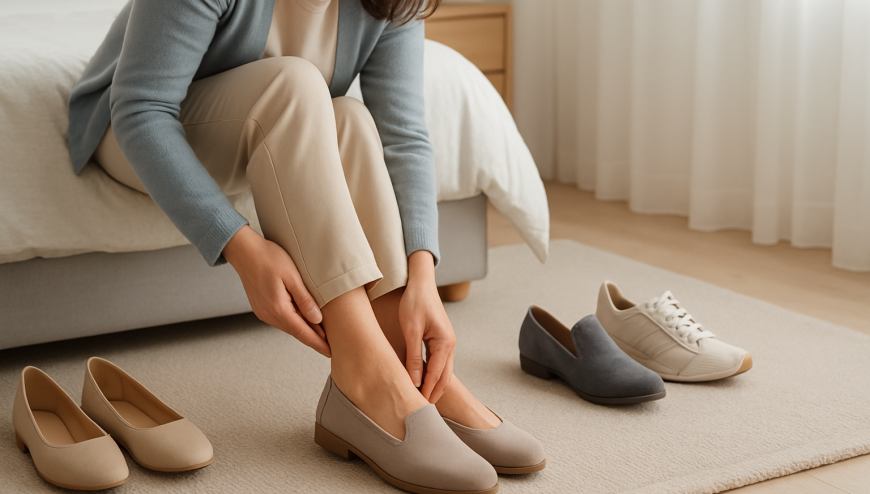
There is no single ideal model for everyone or for every activity. A sports shoe can be suitable for active days and urban journeys, while a loafer can be a practical option for dressing comfortably. Ballet flats, sandals, or ankle boots can also work if they offer a good fit and are suitable for the surface and season.
If your day involves many hours standing, travelling, and moving between different environments, prioritise stability, support, and comfort over purely decorative details. In the Calzados Silvio catalogue, you can explore options in Sports Shoes, Loafers, Lace-Up Shoes, Velcro Shoes, and other categories according to your needs.
- For active days, explore Sports Shoe models and designs with firm support.
- For smart outfits, consider loafers or lace-up shoes with a comfortable last.
- If you need to use insoles, browse the Footwear for Insoles and Shoes for Insoles categories.
Break in your footwear gradually
Even a well-chosen shoe may need a brief adaptation period. Before wearing it all day, use it at home or for short journeys. This will allow you to check whether the fit is correct and identify possible rubbing before a long day.
If you notice persistent pressure, repeated rubbing, or excessive foot movement, check the size, last, and fastening system. If the discomfort continues, it is advisable to stop using the model and consult a healthcare professional.
- Combine the first few wears with short days.
- Check the fit while moving, not only while sitting.
- Don’t force yourself to wear footwear that causes continuous discomfort.
Conclusion
To walk more comfortably all day, look for a shoe that adapts to your foot and your routine: the correct size, enough room in the toe box, good support, a stable sole and materials suited to the season. Spending a few minutes trying on shoes and checking these aspects can help you make a better choice among sport shoes, loafers, lace-up styles, Velcro models or other options. Comfort should be the main criterion, together with how you actually intend to use the footwear.