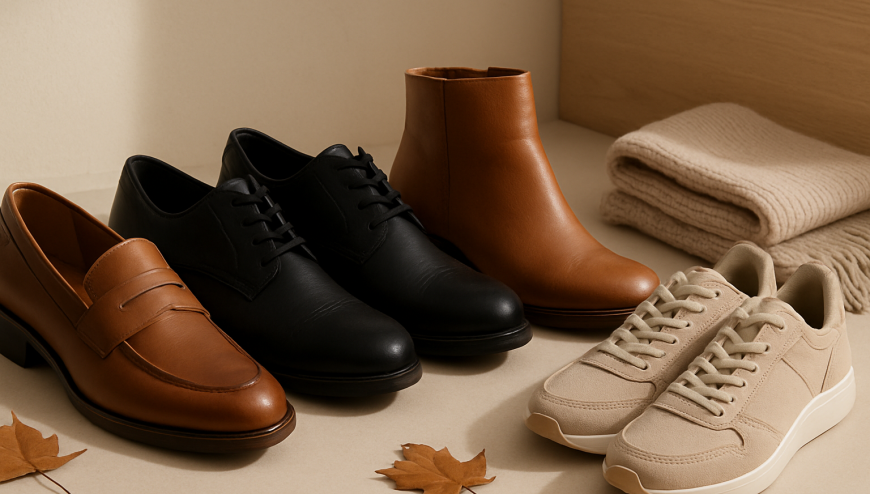


How to choose shoes for working long hours on your feet
Working long hours on your feet requires comfortable, stable and well-fitting footwear. Learn how to choose the right model for your working day and needs.

Spending much of the day on your feet can make footwear a decisive factor in staying comfortable at work. There is no single perfect model for everyone: the choice depends on the type of surface, the movements involved, the length of the working day, and the shape of your foot. In this guide, we review the aspects worth checking before buying shoes for working long hours on your feet, from fit to sole and materials.
Prioritize a comfortable, stable fit
The first criterion should be that the shoe supports your foot without squeezing it. Your toes need enough room to move, but your heel should not slip when walking. Footwear that is too narrow can become uncomfortable as the hours pass, while footwear that is too wide makes your foot work harder to stay secure.
Try the shoes on with the socks you normally wear and, if possible, at the end of the day, when your foot may be slightly more swollen. Also check that there are no seams or rigid areas that rub while walking.
- Leave room in front of your toes without allowing your foot to slide.
- Make sure the heel is held securely.
- Avoid buying based on size alone: the shoe shape and width also matter.
Choose a flexible, stable sole with good grip
For a long working day, it is advisable to look for a sole that allows you to walk naturally and provides stability. An excessively rigid sole can restrict movement, while one that is too soft may not provide a firm feeling when walking. The right balance will depend on the activity and the type of flooring in the workplace.
The sole tread is also important, especially if you work on smooth surfaces or alternate between indoors and outdoors. Before buying, review the product description and images to assess its construction and the type of stride it facilitates.
- Look for reasonable flexibility in the front section.
- Consider a sole with tread and grip suited to the environment.
- Make sure the shoe does not rock when placed on a flat surface.
Consider support according to the type of work
You do not need the same fastening system to work in a shop, an office, hospitality, or a professional environment. Lace-up shoes allow you to adjust the fit precisely, while Velcro models are practical when you want to put on and take off your shoes quickly. Loafers can be a comfortable option for jobs involving moderate movement, provided they hold the foot securely.
In roles where you walk frequently, it is best to avoid models that slip off easily or force you to curl your toes to keep them on. If you work in a specific professional environment, it may be useful to check the features of the available healthcare or professional footwear.
- Lace-up shoes: gradual, personalized adjustment.
- Velcro shoes: easy to put on and simple to adjust.
- Loafers: practical when they offer sufficient support.
- Clogs and professional footwear: options to consider depending on the work environment.
Choose materials that promote comfort
The material influences how the shoe feels when worn for many hours. Breathable fabrics can feel pleasant during long workdays, while flexible materials adapt better to everyday movements. It is also worth considering how easy each model is to clean and maintain.
If your job requires a more formal appearance, loafers or lace-up shoes can combine style and comfort. For more active work, a sport-style model can provide a lighter feel, as long as it offers the level of support you need.
- Consider breathability if the environment is warm.
- Choose materials that do not restrict foot movement.
- Match the shoe’s finish to the workplace dress code.
Consider insoles, width and personal needs
If you use insoles, choose models designed for them or with sufficient interior space. In the categories of footwear for insoles and shoes for insoles, you can find options designed to make this choice easier, but it is always important to check that the insole sits correctly and does not raise your foot too much inside the shoe.
The width of the last also deserves attention. Two shoes in the same size can feel very different. If you are choosing between several models, compare the shape of the toe box, the interior depth and the fastening system before deciding.
- Check whether the original insole can be removed when necessary.
- Make sure the insole you use does not create pressure on the instep.
- Consider wide lasts if you need more room at the front.
Try on the shoes before a full workday
A shoe that seems comfortable for a few minutes may feel different after several hours. Before wearing it for a full workday, walk around in it at home and pay attention to support, flexibility and any potential rubbing. It is also advisable to alternate footwear whenever possible so that each pair can air out and regain its shape.
If persistent discomfort or a problem that does not improve after changing size, fit or model appears, it is advisable to consult a healthcare professional. Choosing the right footwear can improve comfort, but it does not replace a specialist assessment when ongoing pain is present.
- Walk around in the shoes at home before wearing them all day.
- Don’t wear a new pair for the longest or most demanding shift.
- Periodically check the wear on the sole and the inside.
Conclusion
Choosing shoes for working long hours on your feet means finding a balance between fit, support, stability, materials, and suitability for your job. Start with your feet’s actual comfort, make sure the model adapts to your movements, and pay attention to details such as width, fastening, or compatibility with insoles. At Calzados Silvio, you can consider options such as healthcare footwear, clogs and professional footwear, sporty shoes, loafers, lace-ups, or Velcro shoes according to your specific needs.